In the mining sector, effective management of Maintenance, Repair, and Operations (MRO) supply chains is essential for minimising downtime and controlling costs, particularly given the remote locations and harsh conditions typical of operations. Most mining companies rely on SAP as their core ERP system, which influences the choice of procurement tools. SAP Ariba, developed by SAP, integrates natively with SAP ERP, offering a streamlined approach to sourcing, procurement, and supplier management. Coupa, in contrast, provides a cloud-based platform focused on spend management, with strengths in user interface and analytics, but requires additional configuration for SAP environments.
Integration with SAP: A Core Consideration
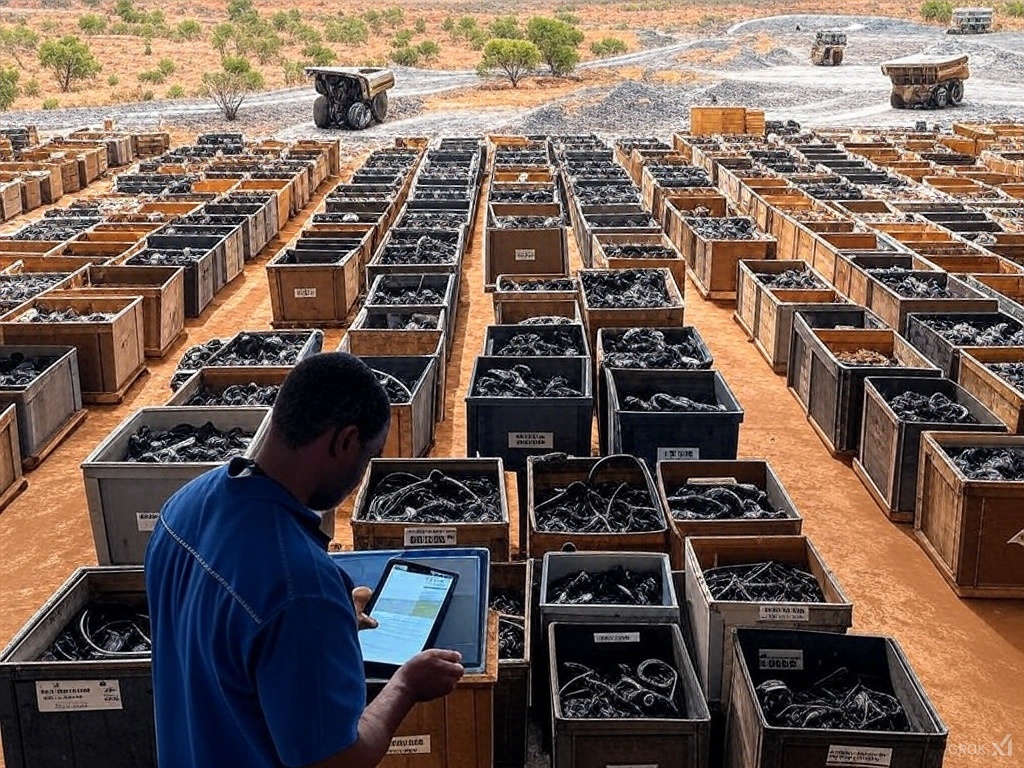
For mining firms using SAP as the foundational system, integration is a key factor. SAP Ariba connects seamlessly to SAP ERP, enabling real-time data flow for processes like purchase orders, invoices, and supplier catalogues. This native compatibility reduces implementation time and errors, allowing for unified workflows that track savings and compliance automatically. Benefits include improved visibility into MRO inventory, such as spare parts for heavy machinery, which is crucial in mining where equipment failures can halt production.
Coupa, while capable of integrating with SAP through APIs and pre-built connectors, often involves more complexity. Challenges may arise in synchronising master data, such as vendor details or inventory levels, potentially requiring custom development or third-party tools to avoid disruptions. In a SAP-dominated setup, this can lead to higher upfront costs and longer deployment timelines, though Coupa’s open architecture allows flexibility for multi-ERP environments.
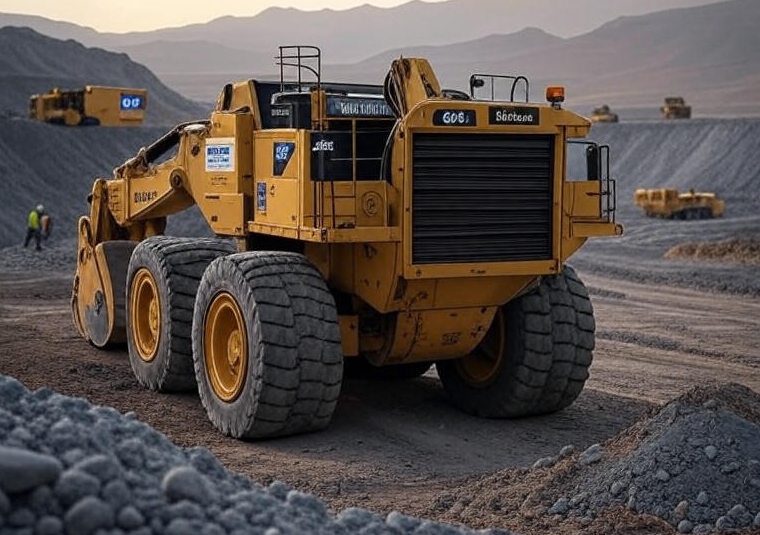
To illustrate the mismatch, consider fitting Komatsu parts into a Caterpillar machine: both are robust haul trucks used in mining, but swapping components risks suboptimal performance, increased maintenance, and potential breakdowns due to incompatible designs. Similarly, layering Coupa onto a SAP foundation might function, but it could introduce friction in data exchange and process alignment, whereas Ariba slots in like an original Caterpillar part—designed for perfect fit and efficiency.
Feature Comparison for Mining MRO
Both platforms support core MRO activities, including supplier sourcing, contract management, and invoice processing, but they differ in emphasis and capabilities relevant to mining.
| Feature | SAP Ariba | Coupa |
|---|---|---|
| Supplier Network | Over 6.7 million companies on the Ariba Network. | Network of over 10 million buyers and suppliers. |
| Analytics and Reporting | In-depth reporting and analytics with real-time visibility into spend and predictive insights. | AI-driven spend analytics using machine learning to analyse patterns and provide real-time reporting. |
| Ease of Use | Requires about 20 hours of training per user; reported to have a steeper learning curve. | Requires 3-5 hours of training per user; modern intuitive interface with higher user satisfaction. |
| Procurement Tools | Strong in supplier collaboration, compliance, and contract management. | Emphasises procure-to-pay automation, expense management, and supplier onboarding. |
| Deployment Model | Cloud-based with options for on-premises deployment. | Cloud-based SaaS platform. |
In mining MRO, where supply chains involve heavy equipment spares, Ariba’s market connections provide a slight advantage for global sourcing. Coupa, however, shines in agility, offering better support for expense management alongside procurement, which can help control indirect spend in areas like site services.
Addressing Common Misconceptions: Supplier Fees
A common argument suggests that organisations opt for Coupa over Ariba because Coupa is free for suppliers while Ariba charges them fees. This is largely a fallacy in the current landscape. While historically Ariba imposed transaction fees on suppliers, SAP introduced a free Standard account for suppliers on the SAP Business Network, allowing unlimited document transactions without charges. Coupa indeed does not charge suppliers for using its platform or transacting, but Ariba’s updated model has closed this gap for basic usage, making the fee distinction less of a deciding factor today.
Pros and Cons in Context
SAP Ariba’s strengths lie in its maturity and SAP synergy, making it a natural choice for mining giants that prioritise end-to-end integration. Pros include enhanced compliance to reduce fraud risks in high-stakes environments and comprehensive savings tracking. Cons: It may feel rigid for smaller operations, with a steeper learning curve.
Coupa’s advantages include ease of use and innovation in areas like AI analytics, potentially leading to faster ROI through spend visibility. Drawbacks: Integration hurdles in SAP-heavy setups may increase total ownership costs, and its supplier network is less extensive for niche mining needs.
Ultimately, for mining companies entrenched in SAP, Ariba offers the most frictionless path to efficient MRO supply chain management. Coupa suits those seeking a more adaptable, user-centric alternative, provided integration investments are managed carefully.